


If your business relies on payment processing solutions, you need a robust tool to handle your transactions, fees, and customer experience. However, with a multitude of options available, selecting the right payment processor can be a challenging task.
To assist you in making an informed decision, we're here to compare two prominent players in the payment processing arena—Stripe and Square. While Stripe has established itself as a reputable choice, Square has also gained popularity in recent years. We'll take you on a detailed journey through their features, pricing structures, advantages, and disadvantages to help you evaluate your options and select the ideal payment processing solution that aligns with your business's requirements and financial considerations.
- 01 Stripe vs Square Point of Sale: overview
- 02 What's the difference between Stripe and Square Point of Sale?
- 03 Stripe pros and cons
- 04 Square Point of Sale pros and cons
- 05 Stripe compared to Square Point of Sale
- 06 Square Point of Sale compared to Stripe
- 07 Features comparison
- 08 Stripe vs Square Point of Sale: Which is the best for your business?
- 09 Alternatives to Stripe & Square Point of Sale
- 10 Promotions on Payments software
Start saving on the best SaaS
Secret has already helped tens of thousands of startups save millions on the best SaaS like Microsoft Teams, Google Workspace & many more. Join Secret now to buy software the smart way.

01 Stripe vs Square Point of Sale: overview
Stripe and Square are two prominent players in the world of payment processing, each offering unique strengths tailored to address specific business needs.
Stripe is renowned for its robust feature set in payment processing. It provides a comprehensive payment gateway that supports not only online card payments but also ACH transfers, subscription billing, international transactions, and more. In contrast, Square offers an all-in-one approach to payment solutions, including in-person card processing, online payments, point-of-sale systems, and e-commerce integration. This versatility is well-suited for businesses seeking a seamless payment experience across various channels.
Now, let's delve into the Stripe vs. Square comparison to help you make an informed decision when selecting the right payment processing solution for your business.

Integrations
Stripe boasts a wide array of integrations with platforms like Shopify and WooCommerce, whereas Square integrates well with solutions like QuickBooks and Wix.

Stripe
Square Point of Sale
Customer Reviews
Both platforms have strong reputations, with Stripe known for seamless integrations and Square for user-friendly POS features.
Stripe
Square Point of Sale
Mobile payments
Both offer robust mobile payment solutions, but Square's free reader and straightforward app give it an edge for in-person payments.
Stripe
Square Point of Sale
Pricing Plan
Stripe offers competitive pricing for online transactions, while Square is acclaimed for no monthly fees and free POS app.
Stripe
Square Point of Sale
Transaction speed
Stripe transactions are processed quickly, typically within 2 days, while Square offers instant deposits for a fee.
Stripe
Square Point of Sale
International availability
Stripe supports over 135 currencies and numerous payment methods globally, while Square is more limited outside the US.
Stripe
Square Point of Sale
Customer Support
Stripe provides email and chat support, Square stands out with its comprehensive support center and phone support.
Stripe
Square Point of Sale
Analytics and reporting
Stripe provides detailed financial reports and real-time analytics, Square offers insightful sales trends and inventory tracking.
Stripe
Square Point of Sale
Ease of Use
Stripe is praised for its developer-friendly setup, while Square is often preferred for its easy-to-use interface for non-technical users.
Stripe
Square Point of Sale
Security features
Stripe and Square both emphasize security, but Stripe's advanced fraud protection and machine learning give it a slight advantage.
Stripe
Square Point of Sale
02 What's the difference between Stripe and Square Point of Sale?
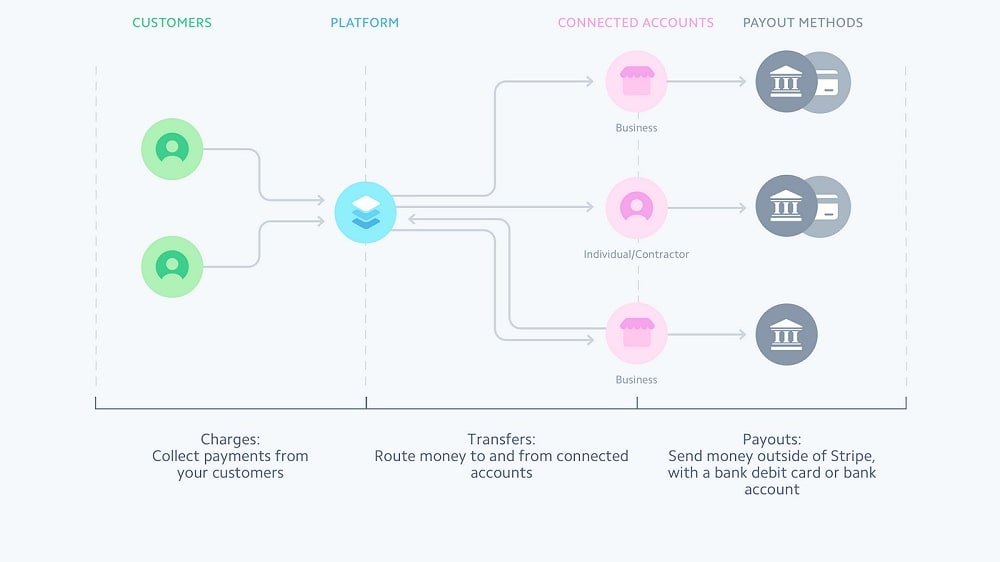
Stripe primarily focuses on online payment processing and provides a robust set of tools for e-commerce businesses.
Stripe
Manage your online payments
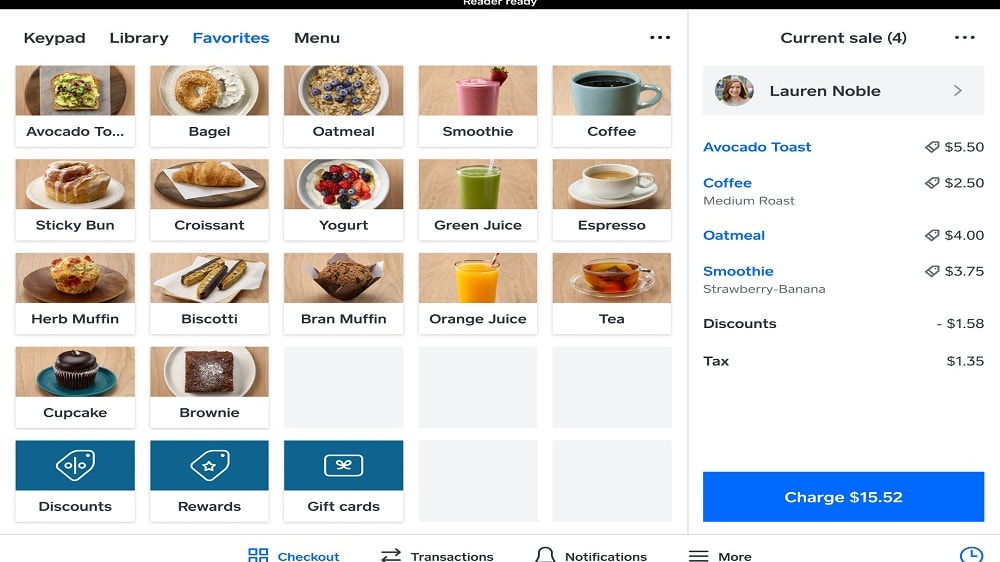
Square offers a more comprehensive suite of services, including in-person point-of-sale (POS) solutions in addition to online payments.
Square Point of Sale
Square Point of Sale brings value by providing a user-friendly and efficient platform for businesses to accept payments, manage inventory, track sales, and gain insights through advanced analytics, all while providing a seamless customer experience.
Stripe and Square are both popular payment processing solutions for businesses, but they have distinct differences that cater to specific needs.
One significant difference lies in their core offerings. Stripe primarily focuses on online payment processing and provides a robust set of tools for e-commerce businesses. It excels in handling subscription billing, customizable checkout experiences, and fraud prevention measures. Stripe is highly developer-friendly and offers extensive APIs for customization, making it a preferred choice for tech-savvy businesses.
In contrast, Square offers a more comprehensive suite of services, including in-person point-of-sale (POS) solutions in addition to online payments. Square's hardware options, like card readers and terminals, make it an ideal choice for brick-and-mortar businesses, food establishments, and service providers looking for seamless in-store payment processing. Square also provides tools for inventory management, employee management, and reporting, making it a well-rounded solution for small businesses.
Another crucial distinction is pricing. Stripe and Square have different pricing models. Stripe charges a per-transaction fee, which can be cost-effective for businesses with low transaction volumes. However, for businesses processing a high volume of transactions, this pricing structure may lead to higher costs. Square, on the other hand, offers straightforward flat-rate pricing with no monthly fees or hidden costs, making it an attractive option for small businesses on a budget.
Integration capabilities also set them apart. Stripe integrates seamlessly with various e-commerce platforms, content management systems, and mobile apps, making it an excellent choice for online businesses with diverse tech stacks. Square, while offering integrations as well, is particularly known for its own ecosystem of POS hardware and software, ensuring a unified experience for in-person and online sales.
Customer support varies between the two. Stripe offers email support to all users and prioritizes its larger customers with additional support options. Square provides phone and email support to its customers, ensuring accessible assistance for businesses of all sizes.

Stripe
Used by 5421 members
Waived Stripe fees on your next $20,000 in payment processing
Save up to $500

Square Point of Sale
Used by 185 members
Waived fees on $10,000 in transactions
Save up to $260
03 Stripe pros and cons
What are the advantages of Stripe?
- Ease of integration: Stripe offers well-documented APIs, libraries, and plugins that make it easy to integrate with various e-commerce platforms, websites, and mobile apps. This simplifies the setup process and allows for customization.

- Security: Stripe is known for its robust security measures. It is PCI DSS compliant and uses advanced encryption techniques to protect sensitive customer data. This helps in building trust with your customers.
- Global reach: Stripe has a strong international presence, supporting businesses in over 40 countries. It also allows you to accept payments in multiple currencies, making it suitable for businesses with a global customer base.
- Developer-friendly: Developers often praise Stripe for its developer-friendly approach. It provides detailed documentation, a user-friendly dashboard, and powerful testing tools, which streamline the development and testing processes.
- Subscription and recurring payments: Stripe excels in handling subscription-based businesses with its flexible subscription management features. You can easily set up and manage recurring billing, reducing administrative overhead.
What are the disadvantages of Stripe?
- Pricing complexity: While Stripe's pricing is transparent, some businesses may find it complex, especially when dealing with different types of transactions, currencies, and volume-based discounts. This complexity can be challenging to navigate.

- Chargeback handling: Stripe's chargeback process can be time-consuming and may require substantial documentation to contest disputes. Merchants may sometimes find it challenging to win chargeback cases.
- Payout delay: Stripe typically initiates payouts on a two-day rolling basis. For some businesses, especially those with tight cash flow requirements, this delay may be a drawback.
- Limited support: Stripe primarily offers support through email and chat. While they do have extensive online resources and a developer community, some businesses may prefer more direct support options.
- Competition: The payment processing industry is highly competitive, and Stripe faces competition from other providers like PayPal, Square, and Braintree. Depending on your business needs, you may find other solutions more suitable.
Compare Stripe to other tools


Razorpay vs Stripe

Stripe vs Airwallex

Stripe vs Shopify

Chargebee vs Stripe

Melio vs Stripe

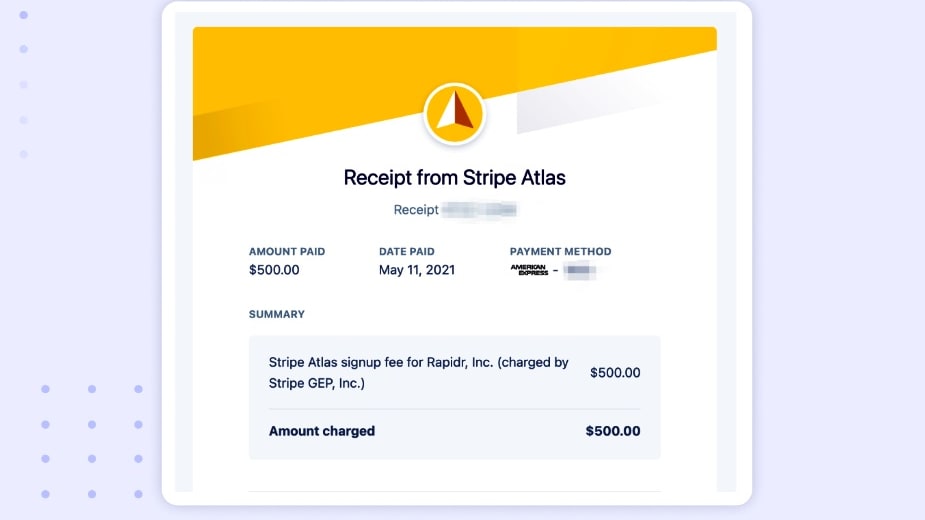
Stripe vs Stripe Atlas
04 Square Point of Sale pros and cons
What are the advantages of Square Point of Sale?
- User-friendly interface: Square provides an intuitive and user-friendly interface, making it easy for businesses to set up and use its payment processing solutions, including point-of-sale (POS) systems and mobile card readers.
- All-in-one solution: Square offers a comprehensive suite of tools beyond payment processing, including inventory management, sales analytics, appointment scheduling, and customer relationship management (CRM), making it suitable for small businesses looking for an all-in-one solution.
- In-person payments: Square specializes in in-person card processing, making it an excellent choice for brick-and-mortar businesses, pop-up shops, food trucks, and event vendors. The hardware options are designed for simplicity and mobility.
- Transparent pricing: Square's pricing is straightforward and transparent. It offers flat-rate pricing, which simplifies cost calculations for businesses. Additionally, there are no monthly fees or long-term contracts, making it a cost-effective choice for some businesses.
- Developer-friendly: Square provides APIs and developer tools, allowing businesses to customize their payment solutions and integrate with various third-party software and platforms.
What are the disadvantages of Square Point of Sale?
- Limited international support: Square primarily serves businesses in the United States, Canada, Australia, and the United Kingdom. If your business operates outside of these regions, you may need to consider alternative payment processors.
- Online payment limitations: While Square offers online payment processing, it may not be as feature-rich or customizable as solutions like Stripe for businesses with extensive e-commerce needs.
- Transaction holds: Square may place holds on funds from transactions, particularly for new or high-risk accounts. This can affect your cash flow, as funds may not be immediately available.
- Hardware costs: While Square's card readers are affordable, other hardware options like its POS systems and registers may have upfront costs that some businesses may find prohibitive.
- Customer support: Square's customer support options are somewhat limited, primarily offering support through email and social media channels. Phone support may not be as readily available as with some other providers.
Compare Square Point of Sale to other tools


Square Point of Sale vs PayPal
Shopify vs Square Point of Sale
05 Stripe compared to Square Point of Sale
Stripe and Square are two leading payment processing solutions, each with distinct strengths. Stripe excels in online payment processing, offering a developer-friendly platform with global reach and robust security. It caters to e-commerce businesses and subscription models.
In contrast, Square specializes in in-person payments, making it ideal for brick-and-mortar businesses, food trucks, and events. It provides a user-friendly interface, all-in-one tools, and transparent pricing. Your choice between Stripe and Square should align with your specific business needs – whether it's online transactions with Stripe or in-person payments with Square.
Is Stripe better than Square Point of Sale?
 Is Stripe better than Square Point of Sale?
Stripe and Square, two prominent players in the digital payments space, cater to different business needs, making a direct comparison challenging. Stripe excels with its developer-friendly API and powerful online payment processing capabilities, particularly suited for e-commerce and larger online businesses seeking customization and international transactions.
Square, on the other hand, stands out with its comprehensive point-of-sale solutions and physical hardware, ideal for small to medium-sized brick-and-mortar businesses needing an all-in-one package. While Stripe offers more flexibility and scalability for online-centric businesses, Square provides an integrated and user-friendly experience for in-person transactions, making each platform better suited to specific types of businesses.
What is Stripe best used for?
Stripe excels as an online payment processing solution, making it the best choice for businesses primarily operating in the digital realm. It is ideal for e-commerce websites, mobile apps, and subscription-based services. Stripe offers a developer-friendly platform with robust security, making it suitable for businesses requiring deep integration and customization. Its global reach and support for multiple currencies make it advantageous for businesses with an international customer base.
Stripe's strengths lie in online transactions, enabling seamless payment processing and subscription management. Businesses seeking a secure, flexible, and feature-rich online payment solution can benefit greatly from Stripe.
Can Stripe replace Square Point of Sale?
Whether Stripe can replace Square depends on your business's specific needs. Stripe excels in online payment processing, making it a strong choice for e-commerce and subscription-based businesses. It offers global reach, robust security, and developer-friendly features. However, Square specializes in in-person payments, serving brick-and-mortar stores, food trucks, and events. It provides an all-in-one solution with user-friendly hardware and transparent pricing.
If your business primarily operates online, Stripe can be a suitable replacement. Still, if you rely heavily on in-person transactions and need a comprehensive point-of-sale system, Square may better serve your needs. Evaluate both options to make an informed decision.
Is Stripe cheaper than Square Point of Sale?
Determining whether Stripe’s pricing is cheaper than Square depends on various factors, including your business's transaction volume, type, and specific needs. Stripe and Square have different pricing structures. Stripe typically charges a standard fee per transaction, while Square offers flat-rate pricing. Square's flat-rate pricing can be cost-effective for small businesses with low transaction volumes, as it doesn't include monthly fees or long-term contracts.
In contrast, Stripe may offer more competitive rates for larger businesses with higher transaction volumes. To determine which is cheaper for your business, it's essential to analyze your transaction patterns and compare the fees associated with both payment processors.
Is there a better Payments software than Stripe?
Stripe offers a range of features and benefits, but it's essential to consider whether there might be a better-suited payment processing software for your specific needs.
There are several notable alternatives to Stripe in the payment processing landscape, such as Square, PayPal, Braintree, and Authorize.Net.
The selection of payment processing software depends on your business's distinct requirements, industry, and preferences. However, if you are looking for a solution known for its online payment processing capabilities, global reach, and developer-friendly approach, Stripe may well be the optimal choice for your payment processing needs.

Stripe
Premium
Manage your online payments
Waived Stripe fees on your next $20,000 in payment processing
Save up to $500
06 Square Point of Sale compared to Stripe
Square and Stripe are two prominent players in the world of payment processing, each with its own strengths. Square specializes in in-person payments and offers a comprehensive suite of tools for small businesses, including point-of-sale (POS) systems. It's an ideal choice for brick-and-mortar stores, food trucks, and events.
In contrast, Stripe excels in online payment processing, catering to e-commerce websites and subscription-based businesses. Stripe provides developer-friendly features, global reach, and robust security. The choice between Square and Stripe depends on your business's focus – in-person transactions with Square or online payments with Stripe – and your specific requirements.
Is Square Point of Sale better than Stripe?
Comparing Square and Stripe hinges on understanding their distinct business niches. Square is renowned for its user-friendly point-of-sale systems and integrated solutions, catering exceptionally well to small and medium-sized physical retailers. Its strength lies in offering a seamless experience for in-person transactions with efficient hardware and software.
Stripe, conversely, excels in the online payment domain, boasting a robust, customizable API favored by e-commerce platforms and larger businesses seeking global transaction capabilities. Thus, while Square stands out for brick-and-mortar operations requiring comprehensive, easy-to-use systems, Stripe shines for businesses prioritizing extensive online payment processing and customization options.
What is Square Point of Sale best used for?
Square is best suited for businesses that rely on in-person payment processing and require an all-in-one solution. It excels in serving brick-and-mortar stores, food trucks, pop-up shops, and service providers like salons and restaurants. Square's user-friendly interface, point-of-sale (POS) systems, and mobile card readers make it ideal for businesses seeking simplicity and mobility in handling transactions.
Additionally, Square offers valuable tools for inventory management, sales analytics, appointment scheduling, and customer relationship management (CRM), making it an excellent choice for small businesses looking to streamline their operations and provide a seamless in-person payment experience to their customers.
Can Square Point of Sale replace Stripe?
Whether Square can replace Stripe depends on your business's specific requirements. Square is primarily designed for in-person payment processing and excels in that regard, making it an ideal choice for brick-and-mortar stores, food trucks, and events.
However, if your business primarily operates online, relies on e-commerce, or needs a comprehensive online payment solution, Stripe may be better suited. Stripe offers a robust platform for online transactions, supports various payment methods, and provides developer-friendly features. To determine if Square can replace Stripe, consider your business model, transaction channels, and whether you need a payment processor that specializes in online payments or in-person transactions.
Is Square Point of Sale cheaper than Stripe?
Whether Square is cheaper than Stripe depends on your specific business circumstances. Square’s pricing structure offers flat-rate pricing, making it attractive for small businesses with low transaction volumes because there are no monthly fees or long-term contracts. However, Stripe may offer more competitive rates for larger businesses with higher transaction volumes.
The pricing comparison should take into account factors such as the type of transactions, the volume of payments, and the specific features you require. To determine which is more cost-effective for your business, it's essential to analyze your transaction patterns and compare the fees associated with both Square and Stripe carefully.
Is there a better Accounting software than Square Point of Sale?
Square undoubtedly offers a range of features and benefits, but it's also valuable to explore other potential alternatives, considering factors like payment processing focus, industry suitability, and specific business requirements.
Some notable alternatives to Square in the payment processing landscape include Stripe, SumUp, Shopify, and QuickBooks.
The selection of payment processing software should align with your business's distinct needs, whether you prioritize in-person transactions, online payments, or require a comprehensive solution for specific industries. However, if you are seeking a versatile payment processing solution with a focus on in-person payments, user-friendly hardware, and all-in-one capabilities, Square might be the ideal choice for your business.

Square Point of Sale
Premium
The simplest way to run your business
Waived fees on $10,000 in transactions
Save up to $260
07 Features comparison
Stripe Dominates in Integration Versatility
Stripe's API is known for its flexibility, enabling seamless integration with a vast range of software applications
When evaluating Stripe and Square for integration capabilities, it becomes apparent that both payment processors offer a wide array of possibilities for connecting with third-party applications. However, Stripe pulls ahead in this category, primarily due to its robust and open API.
Stripe's API is known for its flexibility, enabling seamless integration with a vast range of software applications. Whether you need to link your online store with a specific shopping cart, sync customer data with a CRM system, streamline accounting processes, or even develop custom software solutions, Stripe can adapt and connect effortlessly.
On the other hand, Square also provides numerous integrations, particularly tailored to standard retail or restaurant establishments. While it excels in connecting with popular POS systems and eCommerce platforms, its integration options may have limitations for businesses requiring more extensive or intricate connections. Square's closed API approach, while secure, can sometimes restrict the scope of integration possibilities. Consequently, Stripe stands out as the preferred choice for businesses seeking maximum versatility and adaptability in their integration ecosystem.
Stripe Excels in Payment Analytics and Reporting compared to Square
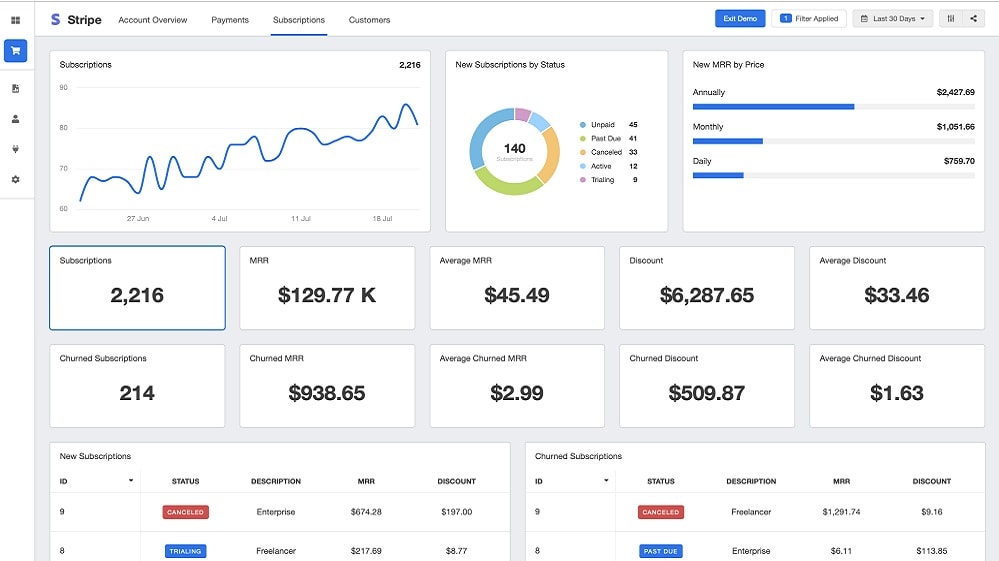
Stripe's analytics and reporting tools provide a deep dive into various aspects of your transactions.
When it comes to transaction insights and performance data, both Stripe and Square deliver valuable tools, but Stripe takes the lead in offering more detailed analytics tailored for highly data-driven businesses.
Stripe's analytics and reporting tools provide a deep dive into various aspects of your transactions. These include transaction volumes, revenue trends, customer behavior, and other key metrics. Stripe's platform equips businesses with the granular data needed to make informed decisions, optimize pricing strategies, identify customer preferences, and enhance the overall payment experience.
Square, while proficient in providing transaction insights, may not offer the same level of granularity and depth as Stripe. Businesses that prioritize comprehensive transaction analytics and wish to harness data-driven insights for strategic decision-making are likely to find Stripe's offerings more aligned with their needs.
Stripe's Versatile Payment Processing Trumps Square
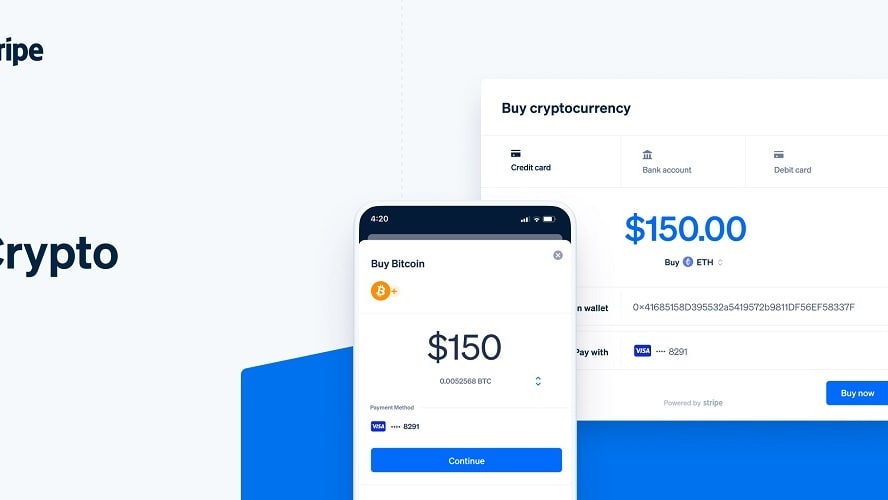
Stripe's prowess lies in its versatility when it comes to accepting payments.
Stripe and Square both offer robust payment processing options, however Stripe's capabilities extend further, offering a more comprehensive solution for businesses.
Stripe's prowess lies in its versatility when it comes to accepting payments. It allows businesses to seamlessly receive payments from around the world using various methods. These encompass credit and debit cards, digital wallets like Apple Pay and Google Pay, bank transfers, and localized payment methods tailored to specific regions. This extensive array of options not only caters to domestic customers but also facilitates international expansion, an essential feature in today's globalized business landscape.
Square, while proficient in flexible payment acceptance, does not offer the same level of global support as Stripe. While Square is ideal for many local and regional businesses, Stripe's global payment capabilities make it the preferred choice for enterprises eyeing international growth and outreach.
Stripe's Robust Subscription Flexibility Surpasses Square
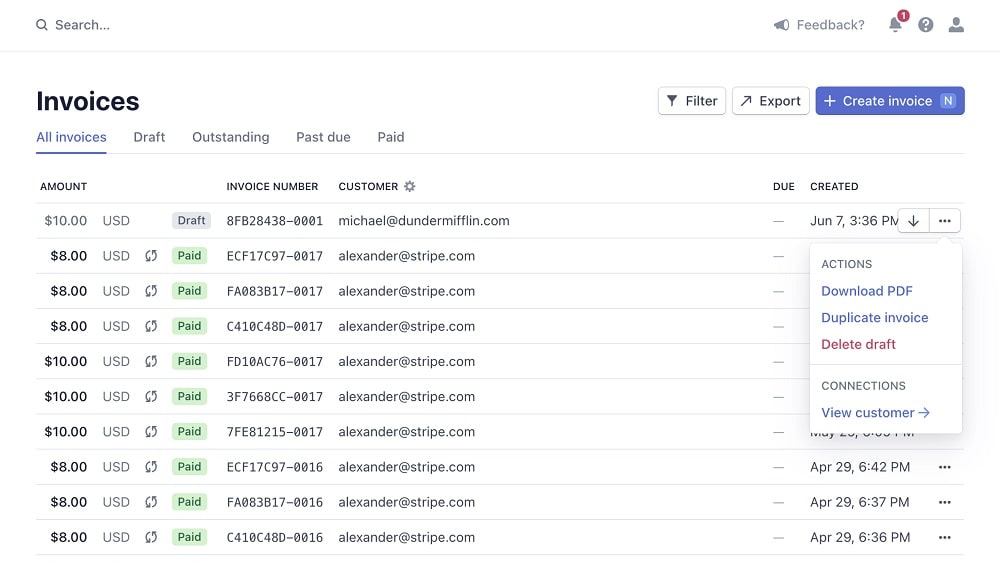
Stripe's subscription billing capabilities shine through its flexibility.
While both Stripe and Square offer features that accommodate recurring billing for subscription-based services, Stripe excels in providing more adaptable and customizable options.
Stripe's subscription billing capabilities shine through its flexibility. It empowers businesses to tailor subscription plans to their specific requirements, offering a wide array of billing frequencies, trial period configurations, and plan structures. This versatility allows businesses to create subscription models that align precisely with their unique offerings and customer expectations.
Square, while proficient in subscription billing, has somewhat limited options compared to Stripe. Its subscription capabilities may work well for basic subscription models, but for businesses seeking comprehensive customization and flexibility in managing recurring billing, Stripe's offerings are more comprehensive and accommodating.
Stripe and Square are Equally Impressive at Fraud Prevention
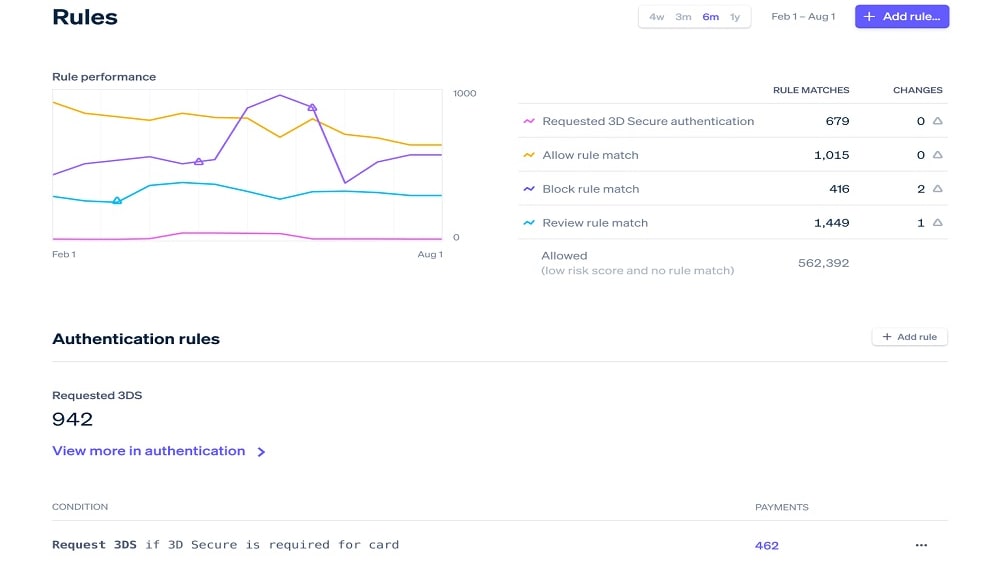
Stripe's Radar tool uses machine learning to identify potentially fraudulent transactions by analyzing vast amounts of data, enhancing its accuracy over time.
Both Square and Stripe prioritize payment security, offering robust measures to protect businesses from fraudulent transactions. These platforms leverage advanced fraud detection tools and algorithms, underpinned by machine learning and data analysis, to bolster payment safety.
For example, Stripe's Radar tool uses machine learning to identify potentially fraudulent transactions by analyzing vast amounts of data, enhancing its accuracy over time. Square employs similar strategies, constantly monitoring transactions to detect irregularities and potential threats.
Square Outshines Stripe with Intuitive User Experience
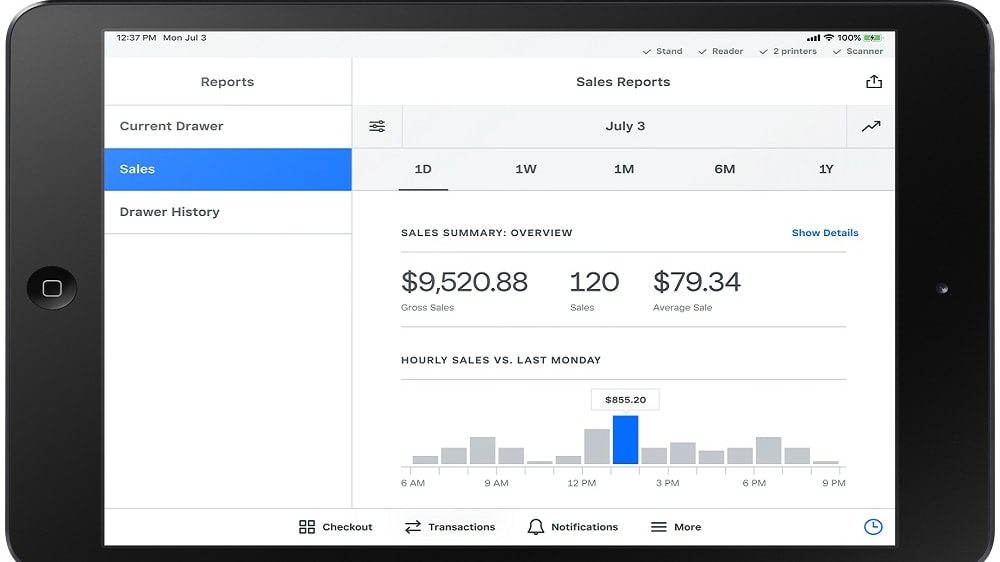
Square's point-of-sale (POS) systems, such as the Square Terminal, are particularly user-friendly, making it a top choice for businesses with limited technical expertise
When comparing Stripe and Square, it's evident that both aim to streamline payment processing, yet their user-friendliness varies notably. Both platforms offer user-friendly interfaces, but Square takes the lead in terms of ease of use.
Square's point-of-sale (POS) systems, such as the Square Terminal, are particularly user-friendly, making it a top choice for businesses with limited technical expertise. For instance, a small cafe owner can set up a Square Terminal quickly and efficiently, accepting payments without extensive training. Stripe, while robust, may require a deeper understanding of its developer-centric features, making it more suitable for businesses with technical capabilities.
Square's Employee Management Advantage Over Stripe
Square's comprehensive point-of-sale (POS) system offers businesses the ability to create individual logins for employees, accompanied by customizable permissions for each user.
One area where Square earns points over Stripe is its employee management capabilities. Square's comprehensive point-of-sale (POS) system offers businesses the ability to create individual logins for employees, accompanied by customizable permissions for each user. This feature streamlines staff access to specific functionalities while maintaining control over sensitive information.
For instance, a restaurant owner using Square's POS can assign different permissions to servers, chefs, and managers. Servers might have access to order processing, chefs to kitchen management, and managers to financial reports. This fine-grained control enhances security and operational efficiency.
In contrast, while Stripe provides subsidiary services and additional features, it lacks dedicated solutions for staff management. Businesses requiring robust employee management tools may find Square's offerings more tailored to their needs.
08 Stripe vs Square Point of Sale: Which is the best for your business?
Stripe is the best tool for you if:
- You need a reliable and secure payment processing solution for your online business, whether you're selling products or services.
- Your business operates globally, as Stripe offers support for payments in over 135 currencies and various payment methods.
- You want access to advanced features like subscription billing, customizable checkout experiences, and fraud prevention tools.
- Seamless integration with popular e-commerce platforms, content management systems, and mobile apps is essential for your business.
- You value transparent pricing with no hidden fees, and you appreciate excellent customer support to help you navigate any payment-related challenges.
 You need a reliable and secure payment processing solution for your online business, whether you're selling products or services.
Square Point of Sale is the best tool for you if:
- You run a small to medium-sized business and need an all-in-one solution for point-of-sale, payments, and inventory management.
- Mobile payments and contactless transactions are a priority for your business, catering to on-the-go customers and events.
- You want straightforward, flat-rate pricing without monthly fees, making it cost-effective for startups and smaller businesses.
- Seamless integration with popular e-commerce platforms and third-party apps is crucial for your operational efficiency.
- You appreciate a user-friendly interface, reporting and analytics tools, and the ability to easily manage your business finances in one place.
Stripe
Used by 5421 members
Waived Stripe fees on your next $20,000 in payment processing
Save up to $500
Square Point of Sale
Used by 185 members
Waived fees on $10,000 in transactions
Save up to $260
09 Alternatives to Stripe & Square Point of Sale

Shopify
Used by 1795 members
$1/month for the first 3 months + 25% off annual plans
Save up to $2,734

Qonto
Used by 1418 members
2 months free on the Basic and Smart plans
Save up to $100

Airwallex
Used by 682 members
1,5% cashback for new US/UK clients
Save up to $1,000

Revolut
Used by 337 members
10 Promotions on Payments software
Stripe and Square Point of Sale are great tools, but Secret offers promo codes with discounts on over 2050+ different SaaS solutions. New deals are added regularly, helping you save money on your online subscriptions. Get access to codes for other Payments software you might want to purchase
Airwallex coupon code
1,5% cashback for new US/UK clients

Xero coupon code 2025
90% off for 6 months

Credits for Memberstack
50% off for 6 months

QuickBooks promotion code
30% off for 6 months

Stripe Atlas discount code
$50 off for the incorporation of your company

Pennylane promotion
3 months free on all plans
Credits for Qonto
2 months free on the Basic and Smart plans

Code for FreshBooks
90% off for 3 months

Chargebee coupon code 2025
40% off the Performance plan for 1 year

Quickbooks Online discount
50% off for 3 months (US-based companies)
Start saving on the best SaaS
Secret has already helped tens of thousands of startups save millions on the best SaaS like Microsoft Teams, Google Workspace & many more. Join Secret now to buy software the smart way.